
The Role of Eco-Friendly Housing Projects in Protecting Local Wildlife
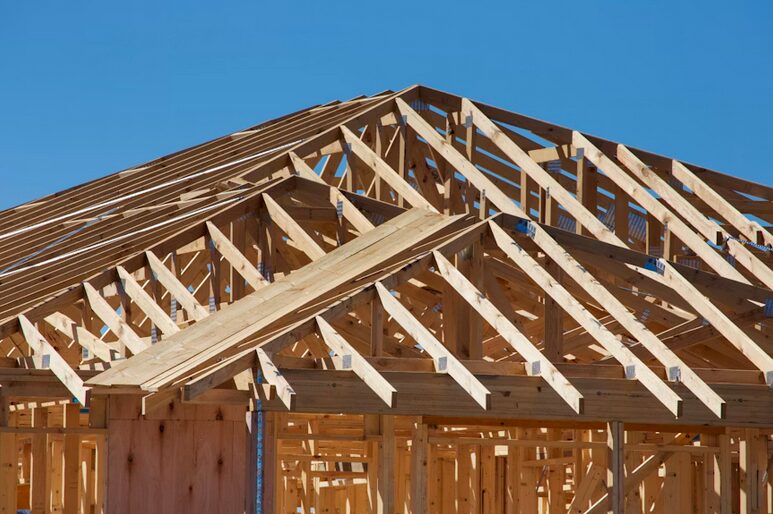
Eco-friendly housing is gaining attention as communities look for ways to reduce environmental impact while protecting surrounding ecosystems. Thoughtfully planned developments can preserve natural habitats, reduce pollution, and create spaces where both people and wildlife can thrive. For example, understanding the habitat of american marten range helps planners design housing projects that avoid disrupting sensitive wildlife corridors and forest ecosystems. By integrating green building materials, preserving native vegetation, and minimizing land disturbance, modern housing can coexist more responsibly with local biodiversity. This article explores how eco-friendly housing projects support wildlife conservation while also meeting the growing demand for sustainable, comfortable living spaces.
Preserving Natural Habitats Within Residential Areas
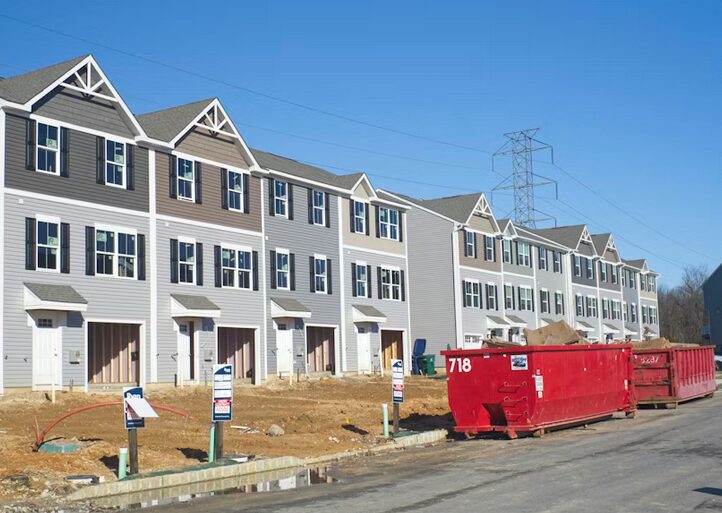
One of the key principles of eco-friendly housing is the preservation of natural habitats within or around residential developments. Instead of clearing large areas of land, environmentally conscious projects often incorporate existing forests, wetlands, or grasslands into their designs. Maintaining these natural areas allows wildlife to continue using established habitats for shelter, feeding, and breeding. Green corridors and protected zones within housing communities can also help maintain connections between ecosystems that might otherwise become isolated. Preserving these habitats reduces ecological disturbance and supports the long-term stability of local wildlife populations.
Designing Infrastructure That Supports Biodiversity
Eco-friendly housing projects often integrate infrastructure that actively supports biodiversity. Landscaping choices may include native plants that provide food and shelter for birds, insects, and small mammals. Water management systems can also be designed to mimic natural processes, creating ponds or wetlands that support aquatic life. In some developments, building designs incorporate features that reduce bird collision risks or provide safe nesting spaces for certain species. By considering how wildlife interacts with the built environment, these projects help maintain ecological balance while accommodating residential needs.
Reducing Environmental Pressures on Wildlife

Another important contribution of eco-friendly housing projects is the reduction of environmental pressures that typically affect wildlife in urban areas. Sustainable construction practices often focus on energy efficiency, reduced pollution, and responsible waste management. Lower levels of pollution can improve air and water quality, which directly benefits surrounding ecosystems. In addition, the use of renewable energy systems and sustainable materials helps reduce the broader environmental footprint associated with housing development. When environmental pressures are minimized, wildlife populations are more likely to thrive in nearby natural areas.
Encouraging Community Awareness and Conservation
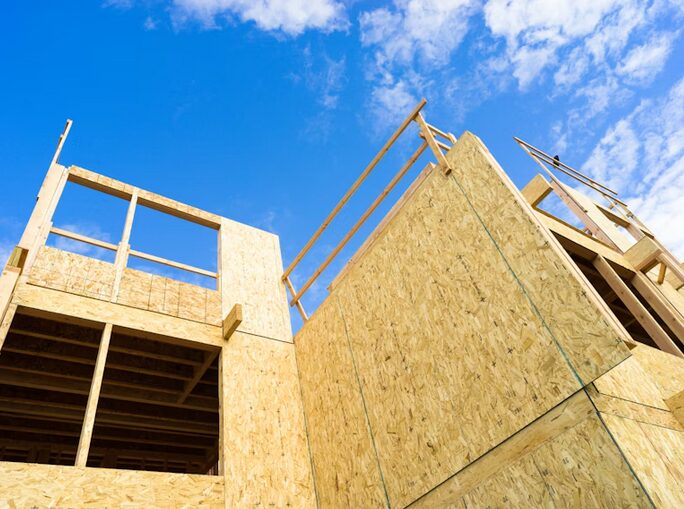
Eco-friendly housing developments can also influence how residents interact with the natural environment. Many projects incorporate educational programs, community gardens, and conservation initiatives that encourage residents to learn about local wildlife and ecosystems. By fostering awareness, these communities promote responsible behaviors such as protecting green spaces and respecting wildlife habitats. Residents who understand the ecological value of their surroundings are more likely to support conservation efforts and sustainable living practices. This social dimension strengthens the long-term impact of eco-friendly housing on wildlife protection.
Eco-friendly housing projects demonstrate how residential development can align with environmental conservation goals. By preserving natural habitats, supporting biodiversity through thoughtful design, and reducing environmental pressures, these projects create living spaces that respect the needs of surrounding wildlife. They also encourage community awareness and participation in conservation efforts, strengthening the relationship between people and local ecosystems. As urban areas continue to expand, eco-friendly housing offers an important model for balancing human development with the protection of wildlife and natural habitats.
…