
Choosing the Right HVAC System for Your Home’s Size and Layout
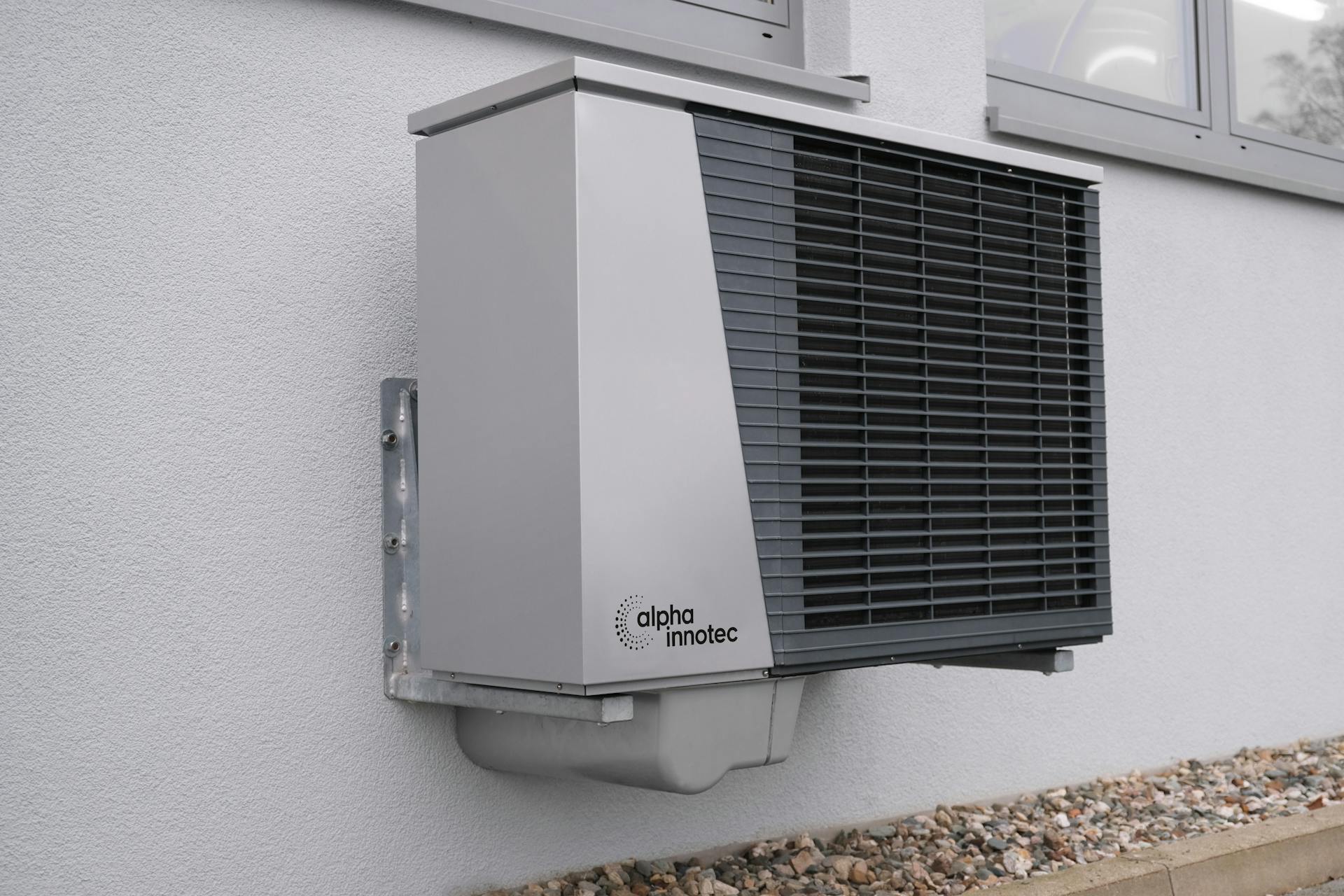
Selecting the right HVAC system for your home is one of the most important decisions you’ll make as a homeowner. Consulting a professional hvac company ensures a properly sized and designed system that doesn’t just maintain comfort, but also saves energy and prevents unnecessary wear and tear. Many homeowners overlook how size and layout influence HVAC performance. Choosing the wrong type or size can lead to uneven cooling, high bills, and frequent repairs. Understanding how these factors work together helps you create a comfortable and efficient living space.
Understanding HVAC Sizing Basics
HVAC systems are not one-size-fits-all. The size of your unit determines how effectively it can heat or cool your home. When the system is too small, it struggles to maintain the right temperature. If it’s too large, it cycles on and off too often, wasting energy. Professionals use a method called the Manual J load calculation to measure the right capacity for your home. This considers square footage, insulation, windows, and even how much sunlight enters your rooms. Taking time to get accurate sizing ensures consistent comfort and long-term reliability.
The Role of Home Layout in HVAC Design
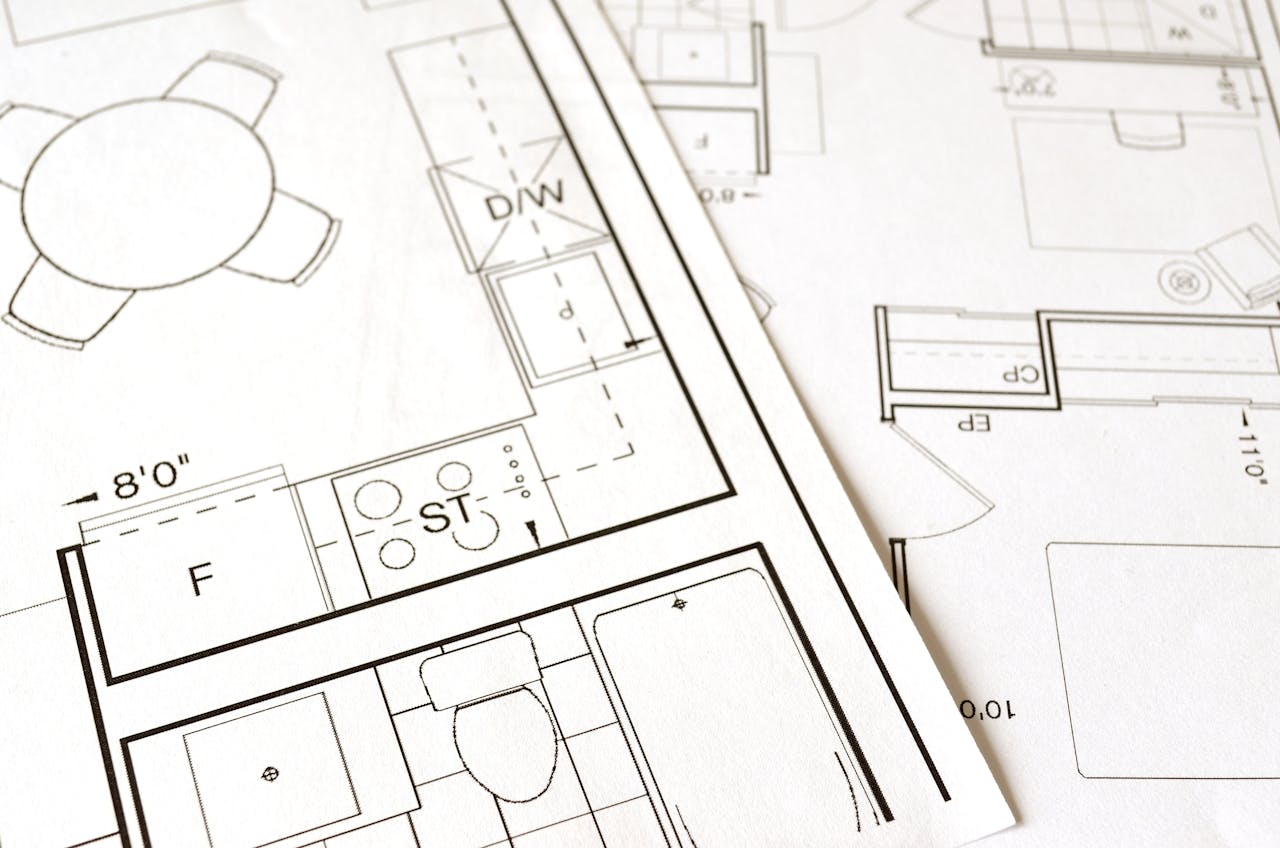
Your home’s layout affects how air moves from room to room. Open floor plans distribute air more freely, while homes with multiple levels or closed-off rooms can trap heat or cool air. For multi-story homes, temperature differences between floors are common. Zoning systems can solve this issue by dividing your home into sections with separate thermostats. Understanding your floor plan helps your technician design a ductwork layout that maintains balanced airflow throughout your living space. This simple step can make a big difference in everyday comfort.
Energy Efficiency and System Types
Efficiency should always be a top consideration when choosing an HVAC system. Modern systems come with Energy Star ratings that show how well they perform. Central air conditioning, heat pumps, and ductless mini-splits each offer unique benefits depending on your home’s structure. Central systems are ideal for larger homes with existing ducts, while mini-splits work well for homes with additions or limited space. Energy-efficient systems might cost more upfront but reduce monthly bills over time. Investing in the right type for your layout ensures both comfort and savings.
Capacity Matching to Your Home’s Needs
Beyond square footage, other elements influence the right system capacity. High ceilings, window quality, and insulation levels all affect how much heating or cooling your home requires. Even the direction your house faces can make a difference. A home with many south-facing windows might need a stronger cooling capacity in summer. Proper sizing requires attention to every detail, not just the number of rooms. The goal is to achieve steady temperatures without overworking the equipment. Working with an experienced HVAC professional is the best way to ensure your system matches your home’s actual needs.
Ductwork Design and Air Distribution
Even the best HVAC system can underperform if the ductwork is poorly designed. Ducts are the pathways that carry air throughout your home, and their size, material, and placement matter. Leaks, bends, or blockages can reduce efficiency by up to 30 percent. A well-planned duct system balances airflow and minimizes energy loss. For homes with unusual layouts or renovations, technicians may recommend modifying existing ducts or adding dampers. Ensuring your ductwork supports your HVAC’s capacity leads to more even temperatures and better air quality.
Smart Controls and Zoning Solutions
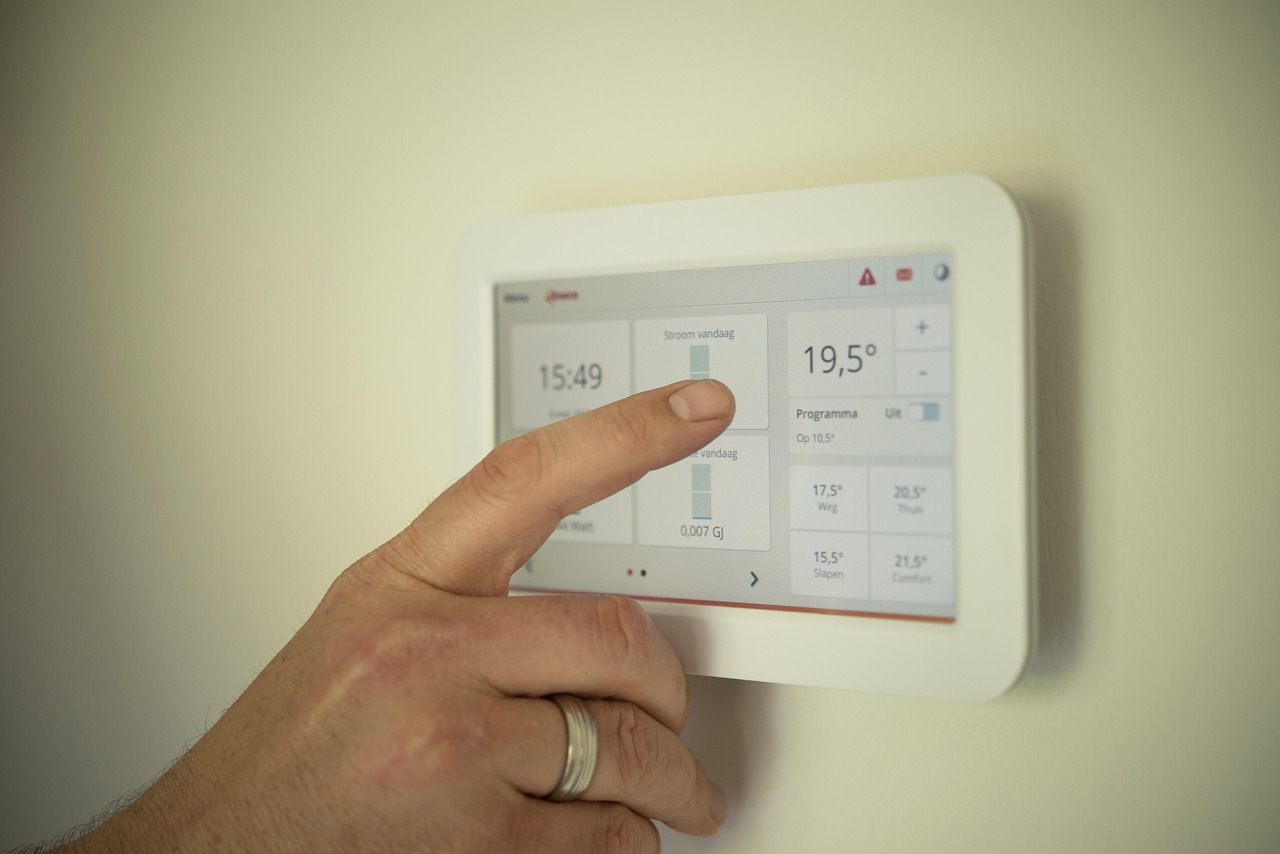
Technology now plays a major role in how we manage home comfort. Smart thermostats and zoning systems allow precise temperature control for different parts of your home. This flexibility reduces wasted energy and extends the system’s lifespan. Homes with open layouts, basements, or lofts especially benefit from zoning. When paired with an efficient HVAC system, these smart controls help create a climate that adapts to your daily routine.
Professional Installation and Long-Term Care
Choosing the right system is only part of the process. Proper installation is equally important. Even a top-rated unit will perform poorly if it’s not installed correctly. Certified HVAC professionals follow manufacturer guidelines and conduct post-installation checks to verify airflow and thermostat accuracy. Regular maintenance also plays a vital role in keeping performance at its best. Cleaning filters, checking ducts, and scheduling seasonal tune-ups prevent costly breakdowns. Taking these steps ensures your home remains comfortable and efficient for years to come.
Every home is unique, and choosing the right HVAC system requires a thoughtful approach. The size, design, and layout of your home all work together to determine what type of system performs best. With careful planning, professional guidance, and attention to detail, you can create a home environment that’s comfortable, energy-efficient, and built to last. Investing time in the selection process today brings peace of mind and long-term savings tomorrow.